Social Security Shortfalls Are Predicted to Begin a Year Earlier Due to the Pandemic
The Social Security trustees are projecting that due to the economic downturn caused by the pandemic the Social Security trust fund will be depleted in 2033 -- one year earlier than the previous estimates. Once the fund is depleted, Social Security benefits will be reduced unless Congress acts in the interim.
Posted on September 27, 2021
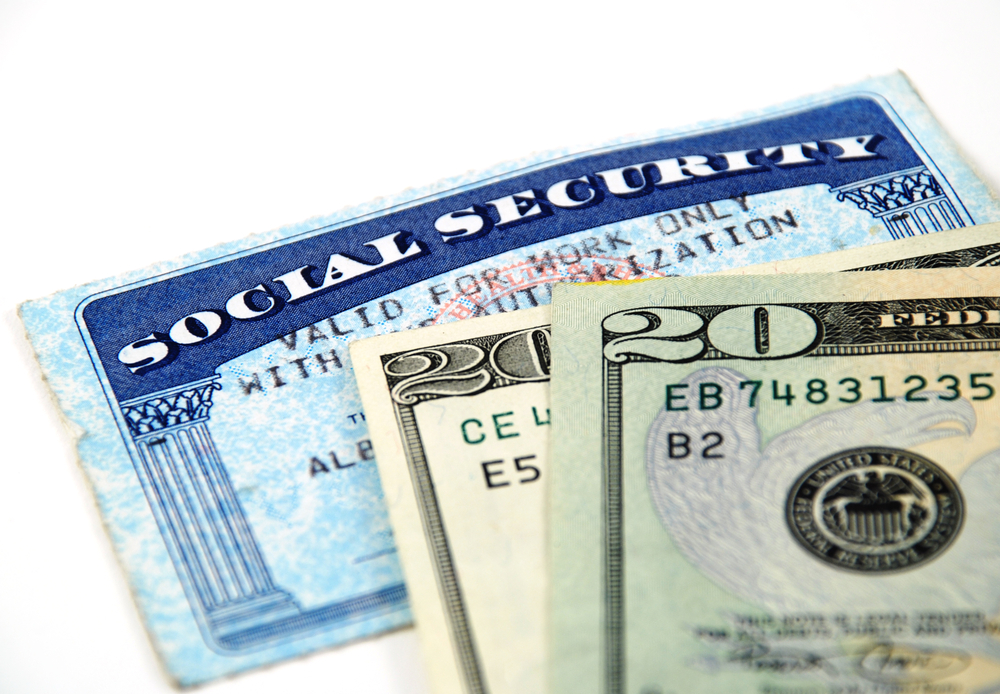
Social Security retirement benefits are financed primarily through dedicated payroll taxes paid by workers and their employers, with employees and employers splitting the tax equally. Employers pay 6.2 percent of an employee's income into the Social Security system, and the employee kicks in the same. Self-employed individuals pay the entire 12.4 percent Social Security payroll tax. This money is put into a trust fund that is used to pay retiree benefits.
The trustees of the Social Security trust fund now predict that if Congress doesn’t take action, the fund’s balance will reach zero in 2033. The coronavirus pandemic has caused job losses, lowered wages and interest rates, and a drop in gross domestic product, which means payroll taxes declined. Sadly, an increase in deaths of older Americans due to Covid helped to keep Social Security from losing as much money as some had feared. The impact of the pandemic over the longer term is still unclear, and the trustees said they are making no long-range assumptions “given the unprecedented level of uncertainty.”
Once the fund runs out of money, it does not mean that benefits stop altogether. Instead, retirees’ benefits would be cut. According to the trustees’ projections, the fund’s income from payroll taxes would be sufficient to pay retirees 76 percent of their total benefit (or 78 percent if the Disability Insurance fund is included).
The trustees recommend that Congress take immediate action to address the problem, but Social Security reform is not a top priority in Washington right now. Steps Congress could take to shore up Social Security include eliminating the cap on income subject to tax. Right now, workers pay Social Security tax only on the first $142,800 of income (in 2021). That amount can be increased, so that higher-earning workers pay more in taxes. The Social Security tax or the retirement age could also be increased.
More from our blog…

What Is IRMAA and How Does It Affect Medicare Premiums
As we near retirement, we may assume that once Medicare kicks in, our medical insurance premiums will be fixed. However, many people may not realize [...]

Medicare Part A and B Costs to Rise Again in 2025
The Centers for Medicare & Medicaid Services (CMS) has issued the 2025 figures for Medicare. As in 2024, these health care costs are going up [...]

Report: Planning for America’s Aging Population
If you are age 65 or older and living in the United States, you are part of a large and growing population segment. According to [...]

Exploring New Treatments for Dementia Without Medication
Along with our increasing population of adults over 65 is the growing occurrence of dementia. Dementia can be caused by various diseases or conditions and [...]
Recent blog posts

FREE WEBINAR
5 Things to Know About
Estate Planning
When You Turn Sixty-Five